
Lesson 6 of 13 · about 5 minutes
Hearing and balance
From the inner ear to the cortex.

In the 3D app, the brain flies to each part as you read, and 2 quick questions at the end help it stick. Here is the whole lesson to read.
- 1
From the ear
The vestibulocochlear nerve carries sound from the cochlea and balance from the inner ear's fluid-filled canals.
More about the vestibulocochlear nerve (VIII) →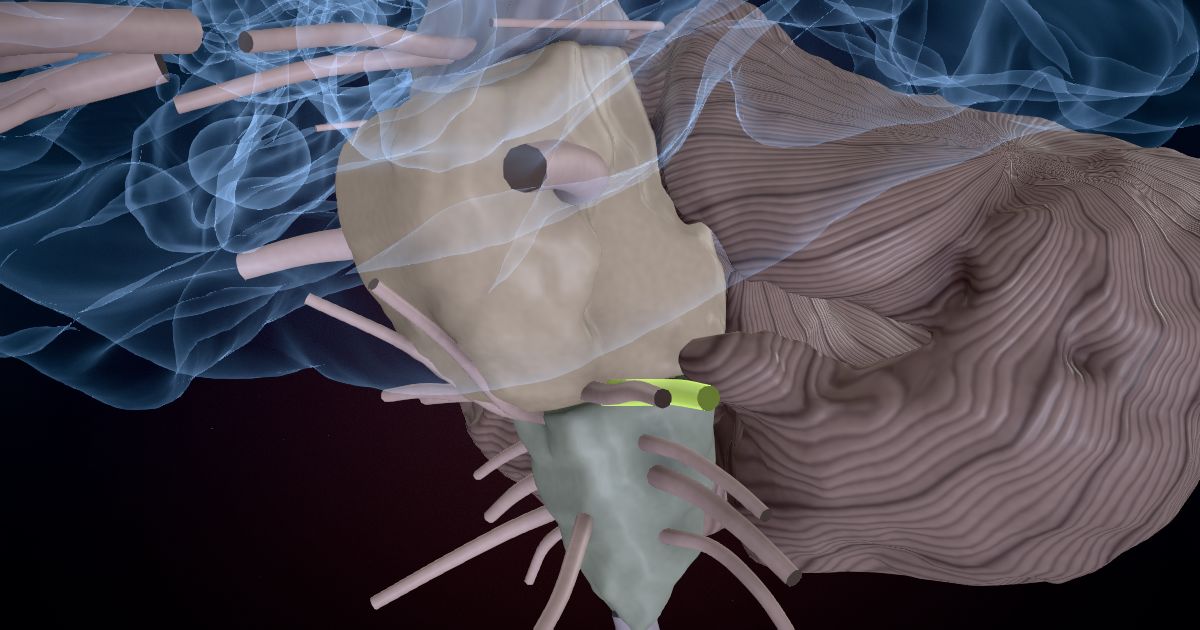
- 2
A midbrain relay
Sound signals pass through the inferior colliculi, two small bumps on the back of the midbrain that help work out where a sound comes from.
More about the inferior colliculus →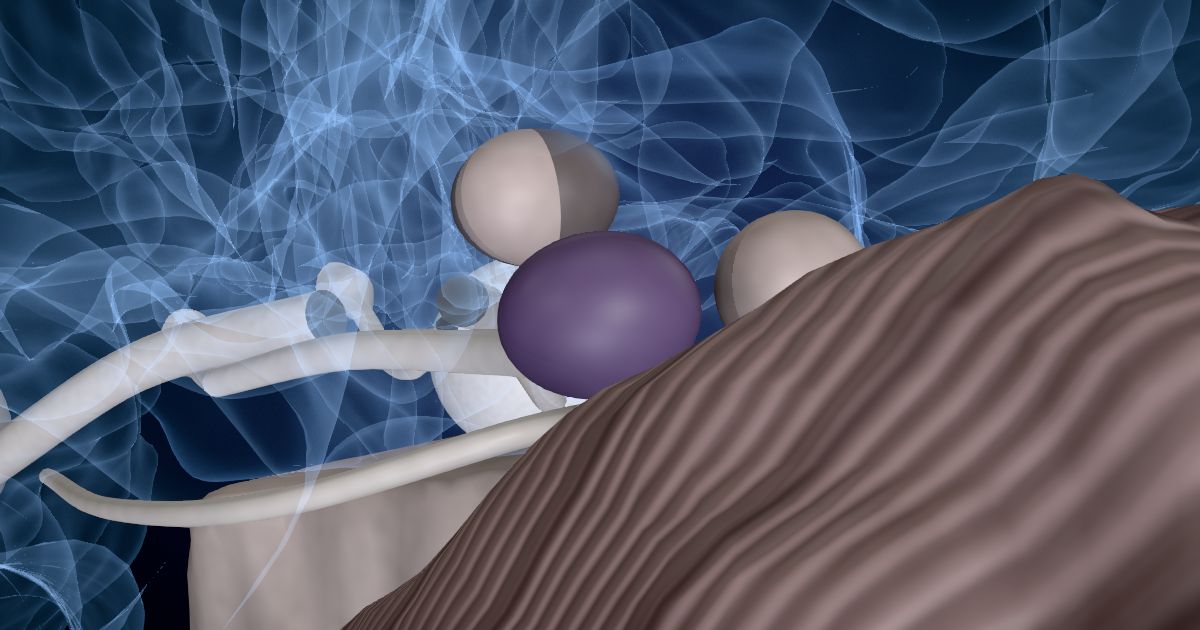
- 3
The thalamus again
The medial geniculate nucleus relays sound to the cortex, right next to the lateral geniculate for vision.
More about the medial geniculate nucleus →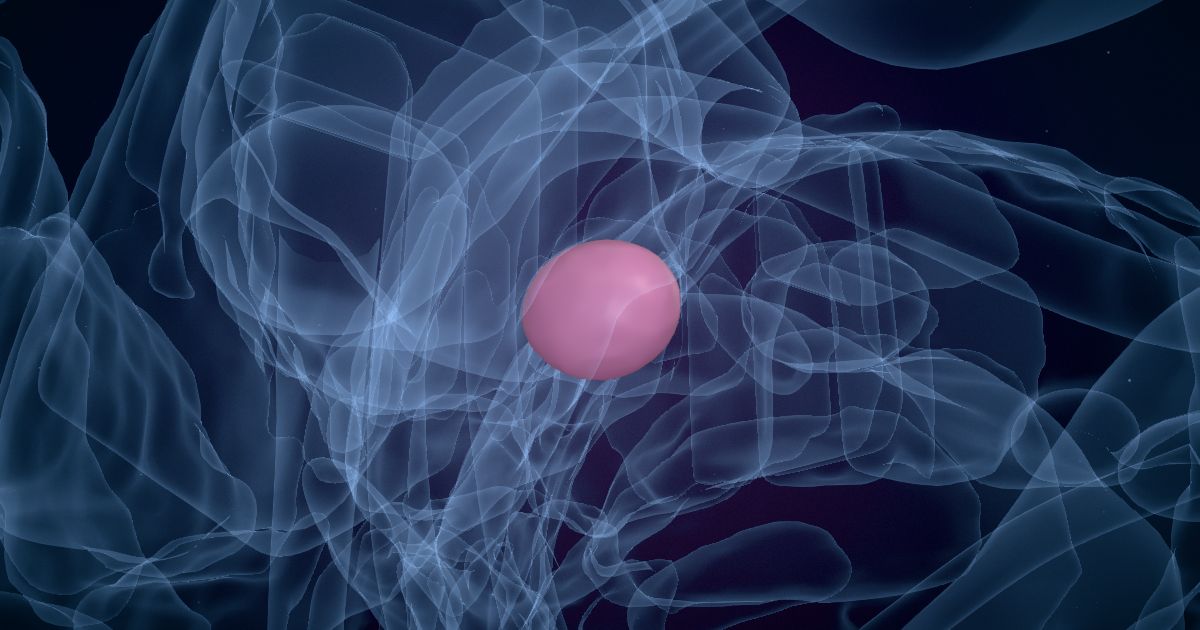
- 4
Up to the cortex
The acoustic radiation carries the signals out to the temporal lobe.
More about the acoustic radiation →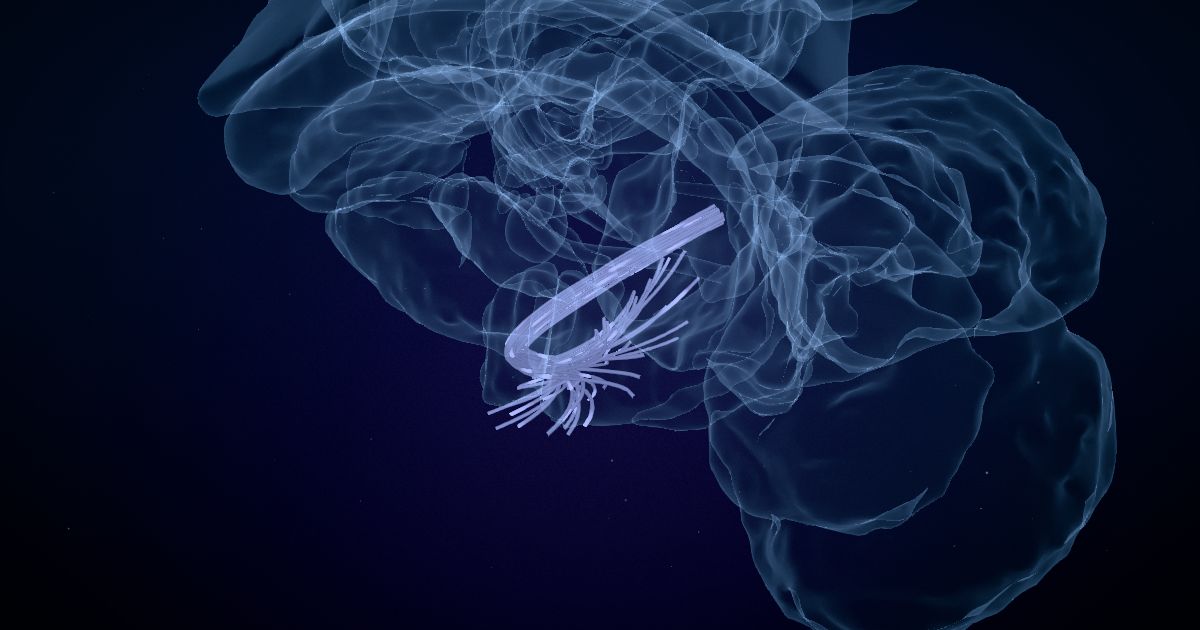
- 5
Primary auditory cortex
In Heschl's gyrus, pitches are laid out in order, like the keys of a piano.
More about the primary auditory cortex →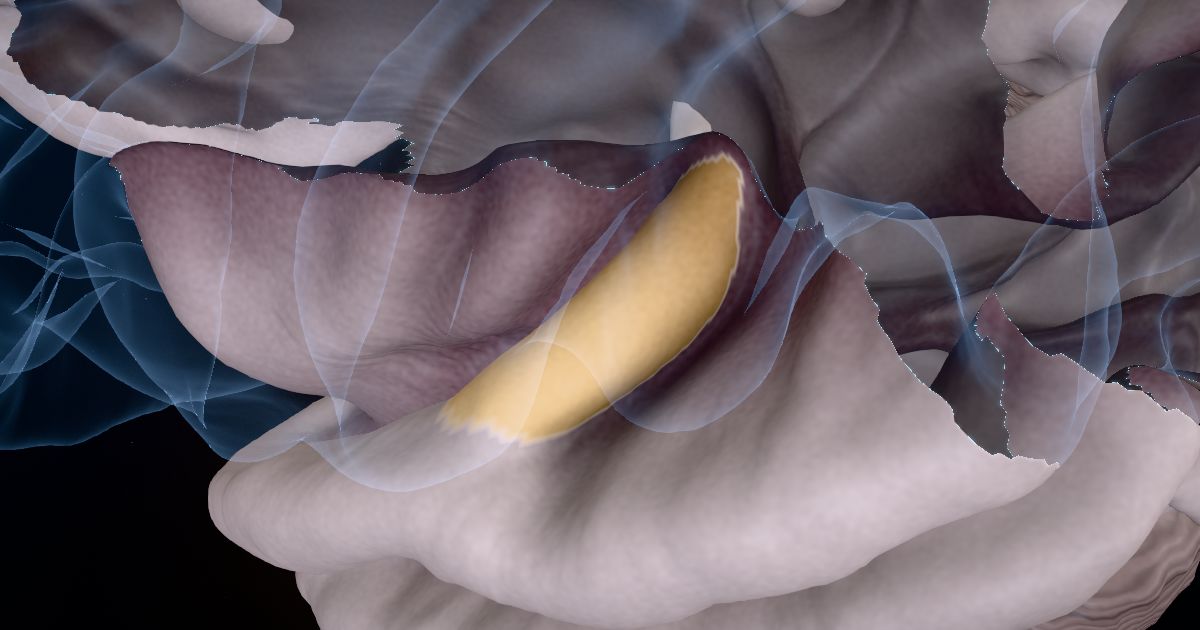
- 6
Balance
Balance signals go to the oldest part of the cerebellum, the flocculonodular lobe, which keeps you upright and your eyes steady as your head moves.
More about the flocculonodular lobe →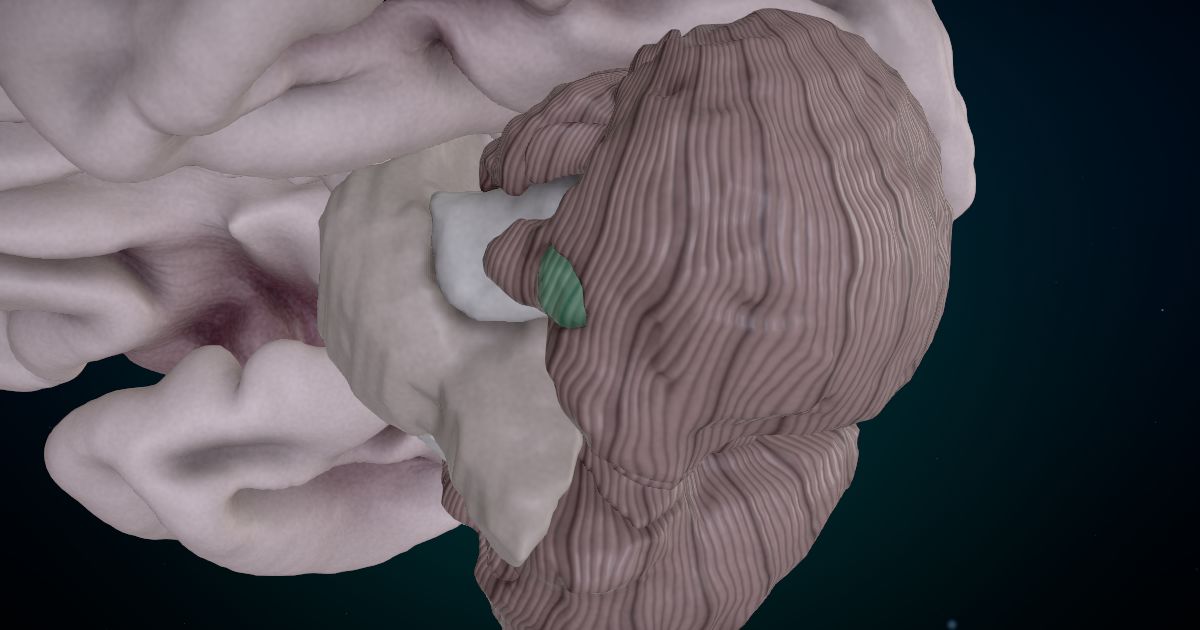


Now see it for yourself
Take this lesson in 3D: turn the brain around, look inside, and finish with 2 quick questions.
Start the lesson in 3D