
Free 3D brain study guide
Study the brain in 3D
A real brain you can turn and fly into, explained in plain words. Study guides for your exam or class, quizzes in 3D, and a daily review that keeps it all in your head.
Welcome back. Carry on where you left off →
- 8study guides
- 133parts to explore
- 13short lessons in 3D
- 22stroke and injury cases
What are you studying for?
Each study guide lists the brain topics your exam or class covers, in order, with a quiz in 3D for every unit.
Big topics, explained
The ideas that tie the parts together, each in a few minutes, with pictures from the 3D brain and a quick quiz.
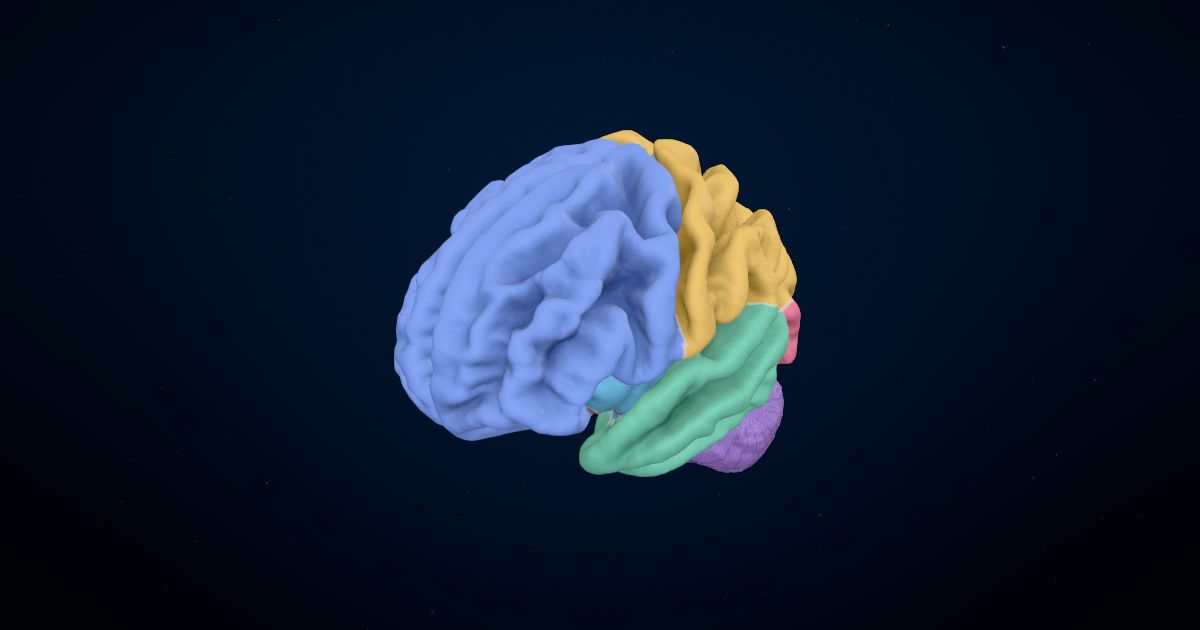
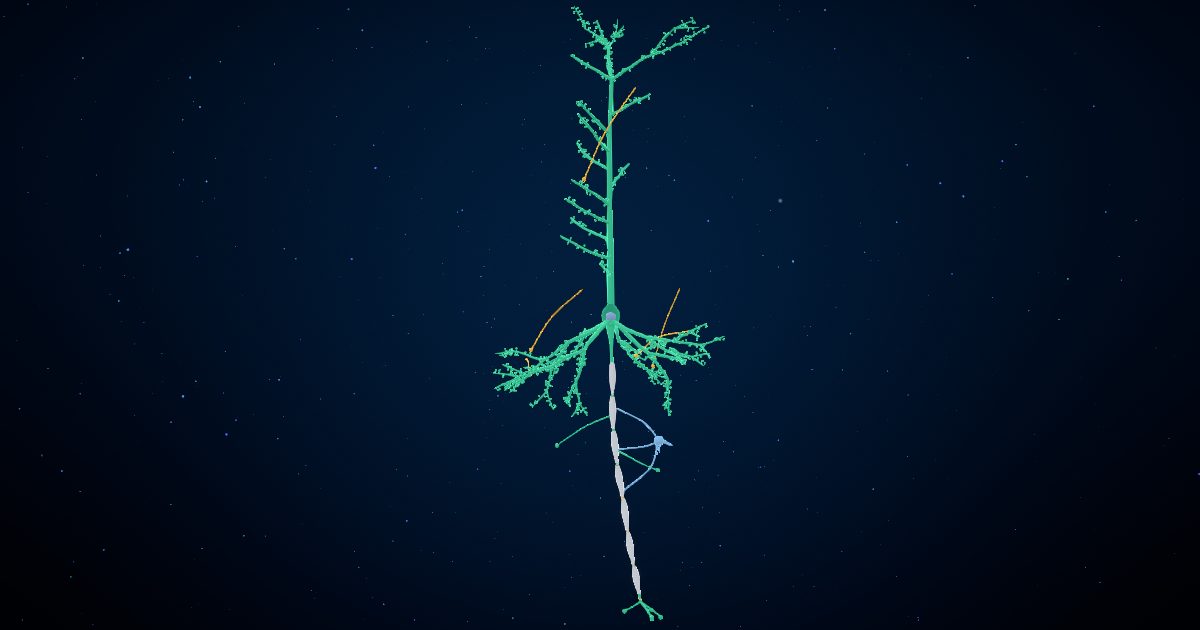
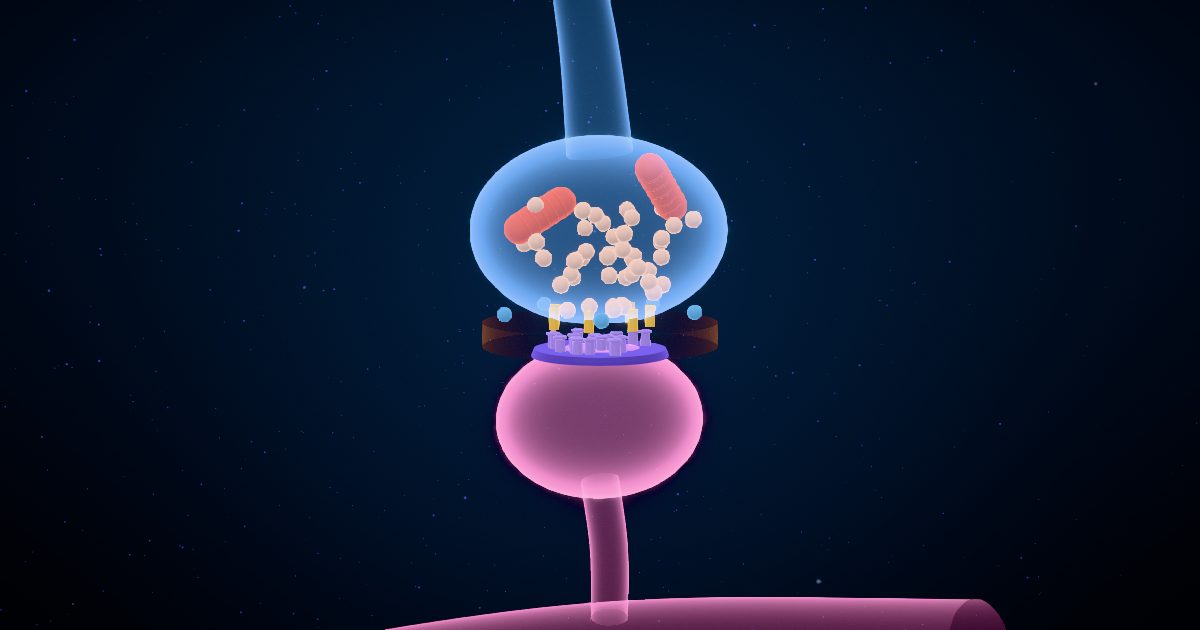
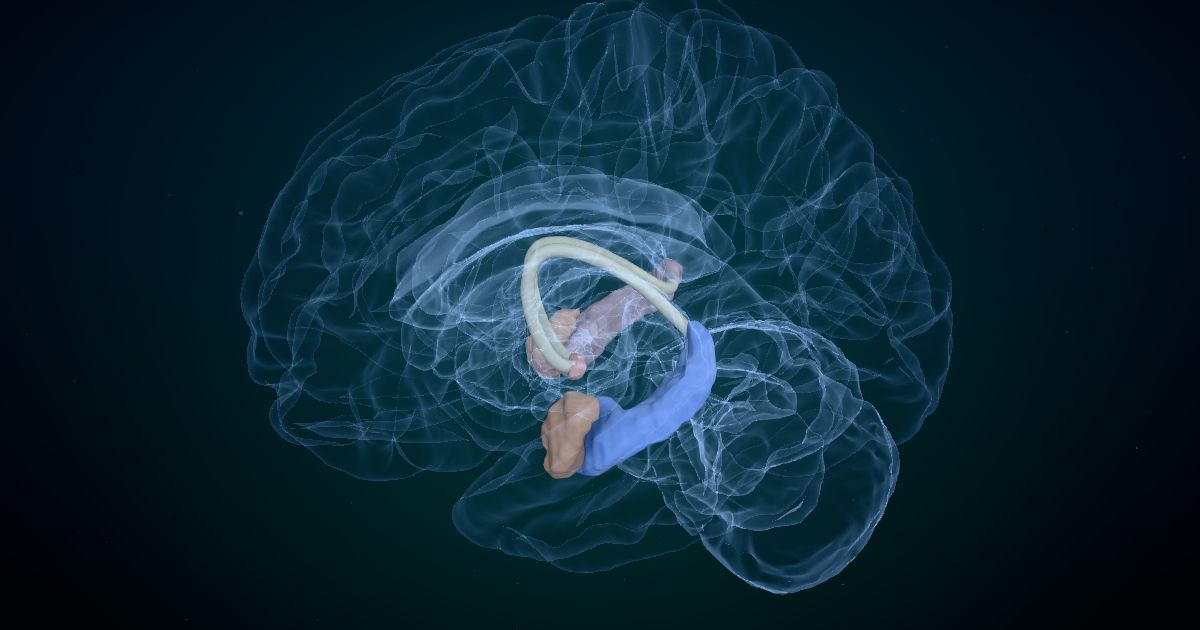
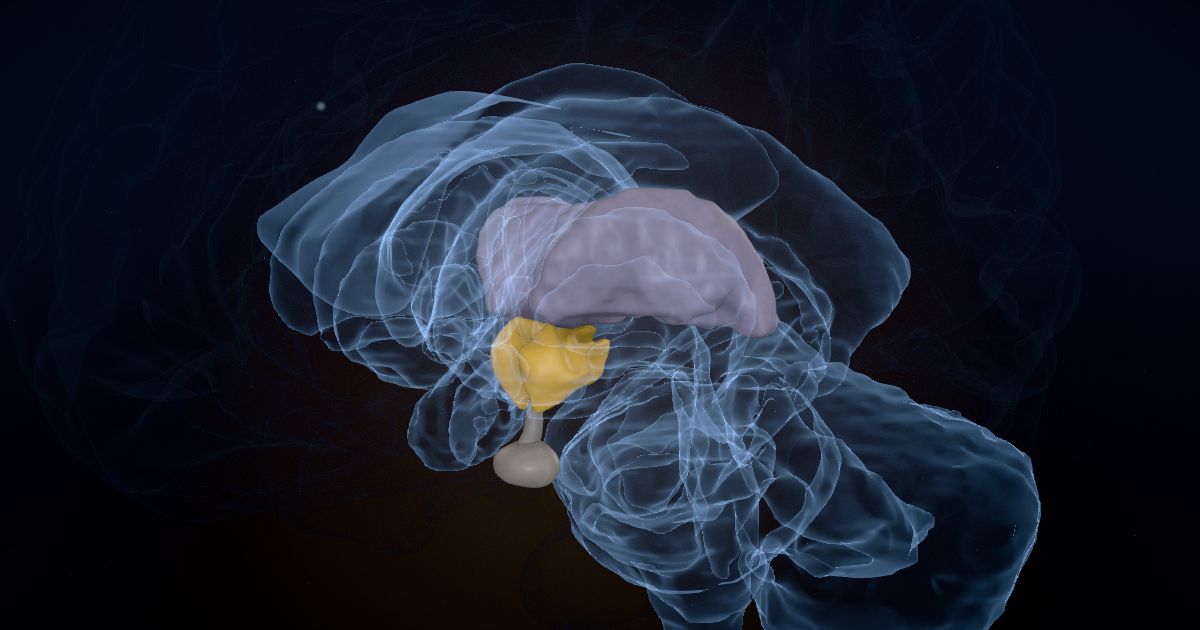
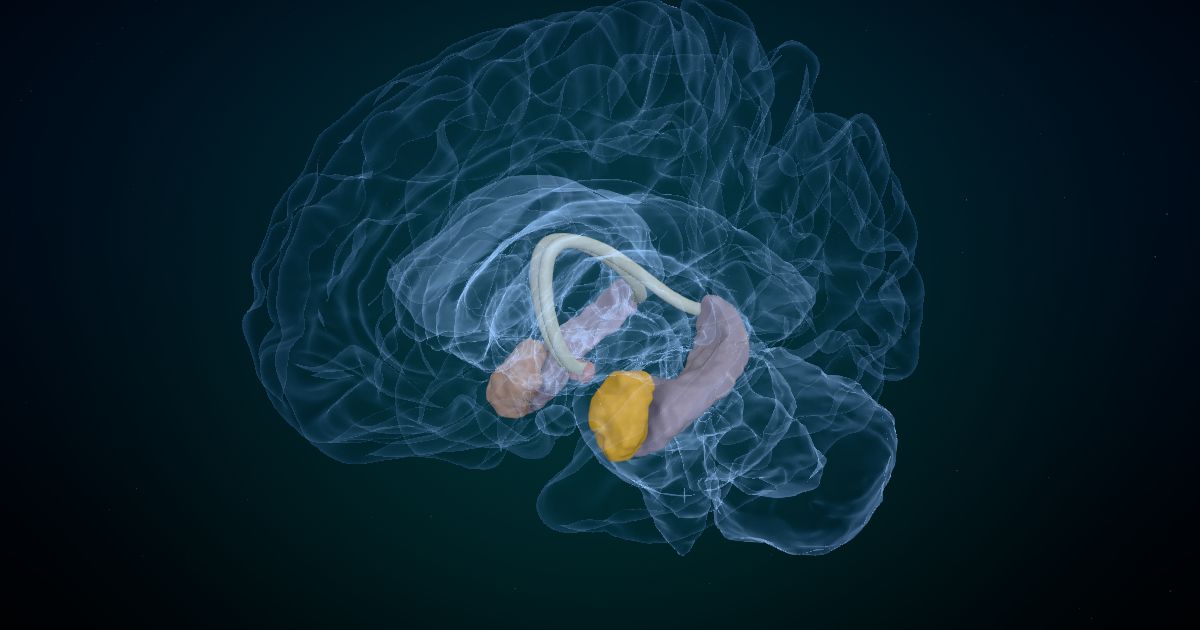
A brain you can walk into
Not a picture of a brain: a real one, rebuilt from brain scans, that you can turn, open and explore at every scale.
Fly inside
Pick any part and the brain opens around it. Keep going: lobes, deep nuclei, living tissue, one neuron, one synapse.
Learn one idea at a time
13 short lessons fly the camera for you, from the big picture to memory, emotion and the brainstem.
Test yourself in 3D
Find parts on the brain, name the one that glows, and solve stroke cases by clicking where the damage is.
Remember it for good
A daily review brings each part back right before you would forget it, and your progress follows you to every device.
Every part of the brain
What each part does, where it is, what it works with and what happens when it goes wrong, in plain words.
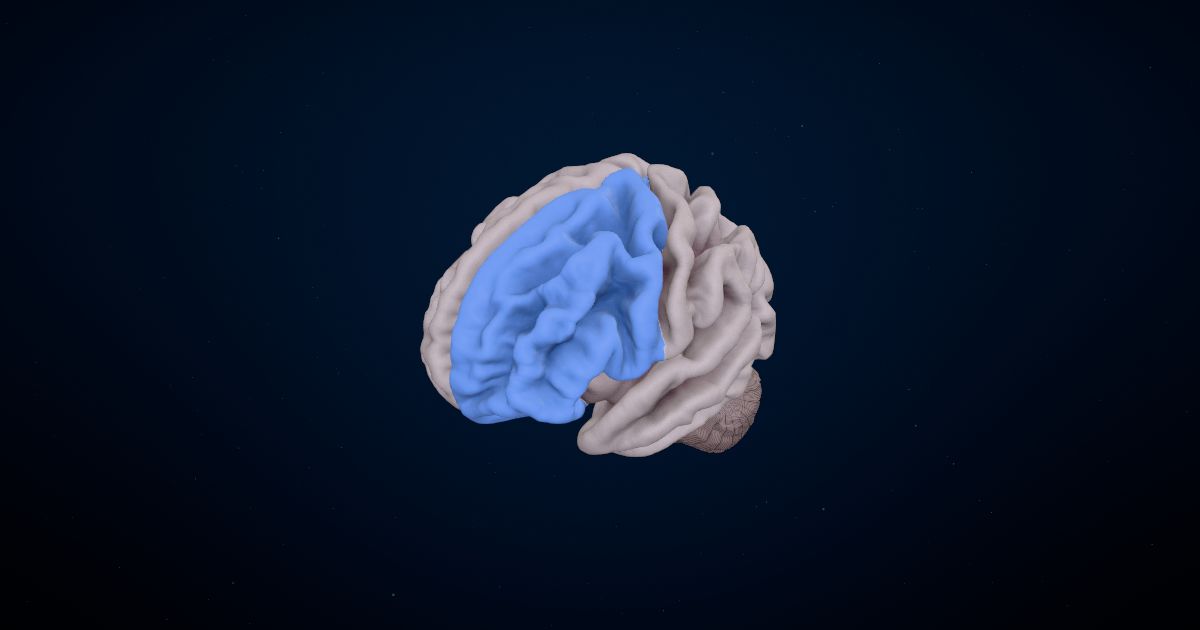
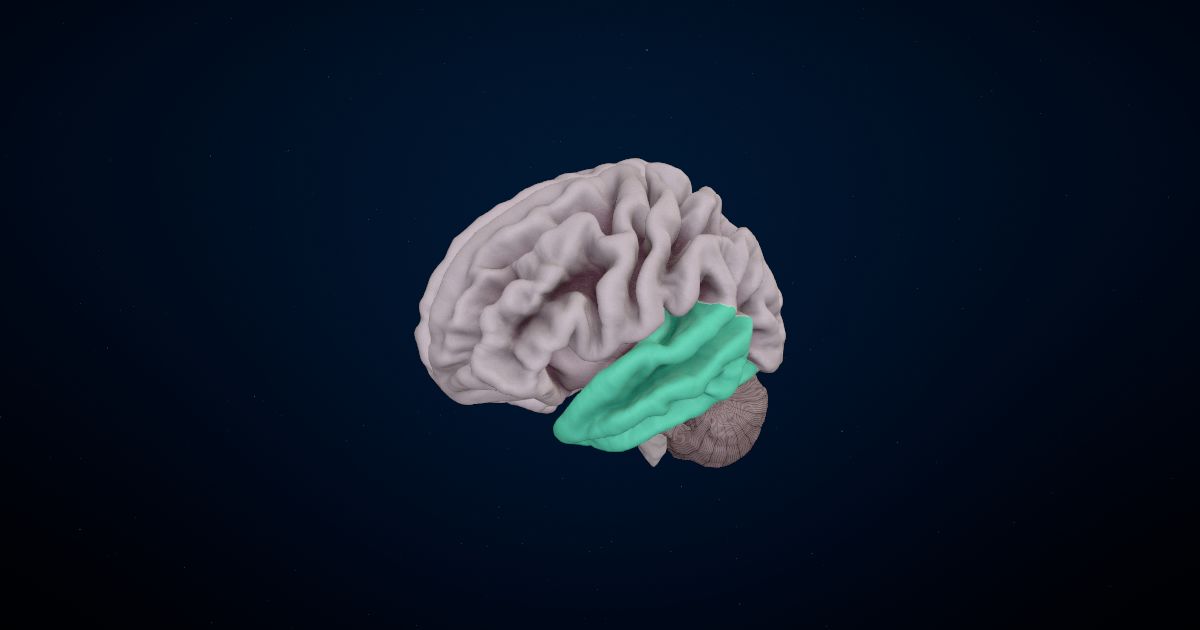
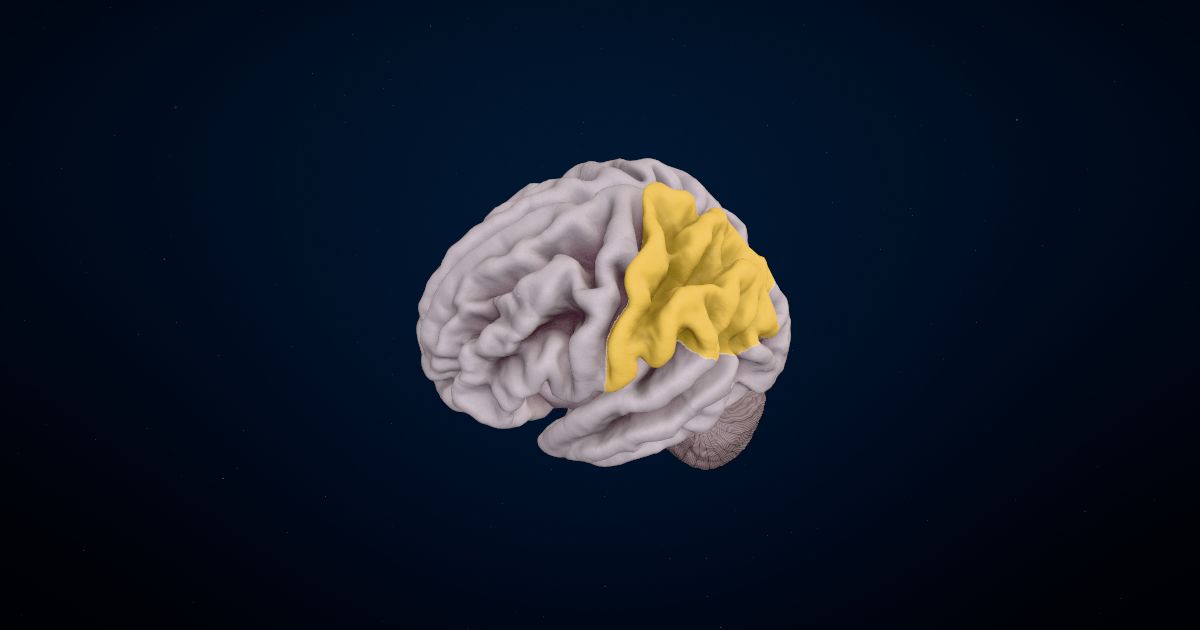
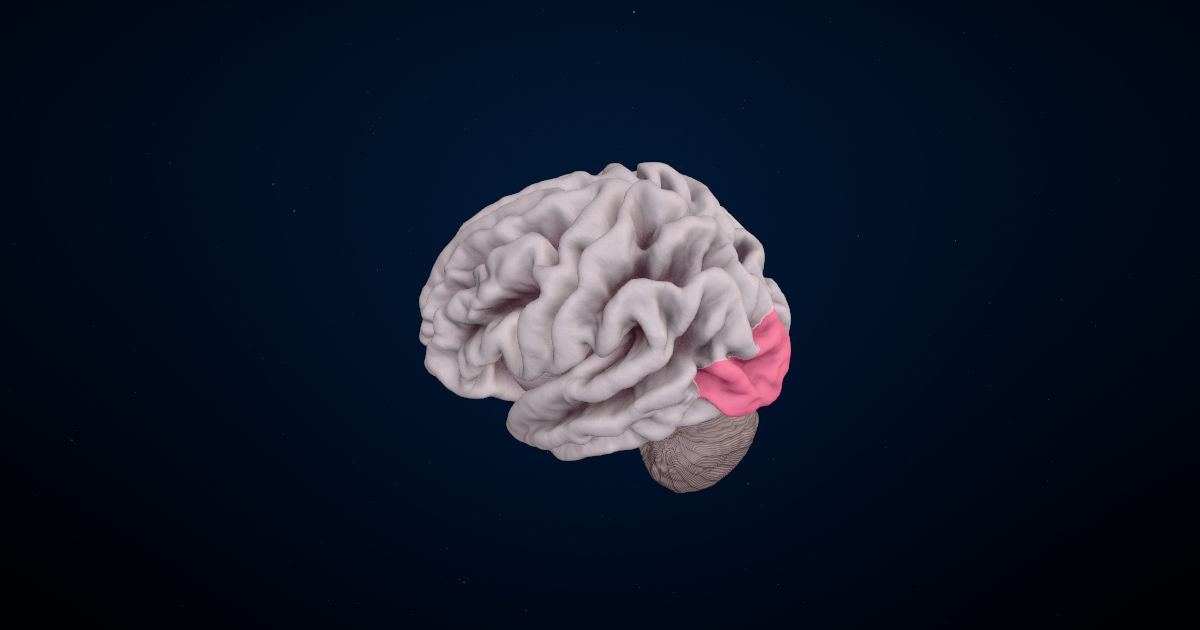
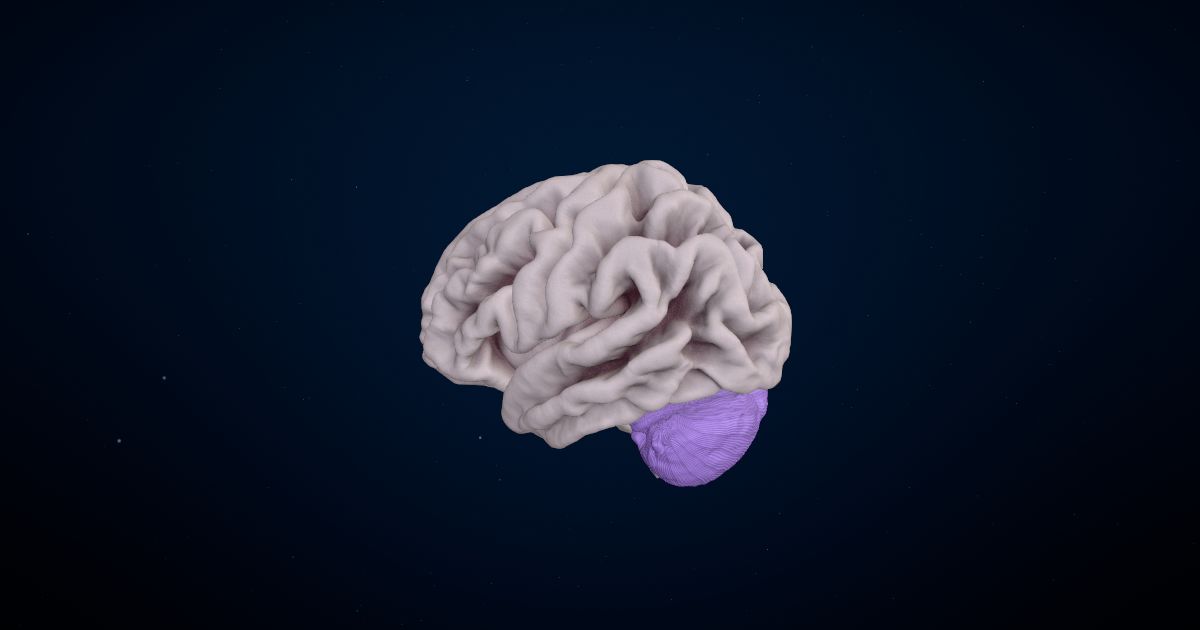
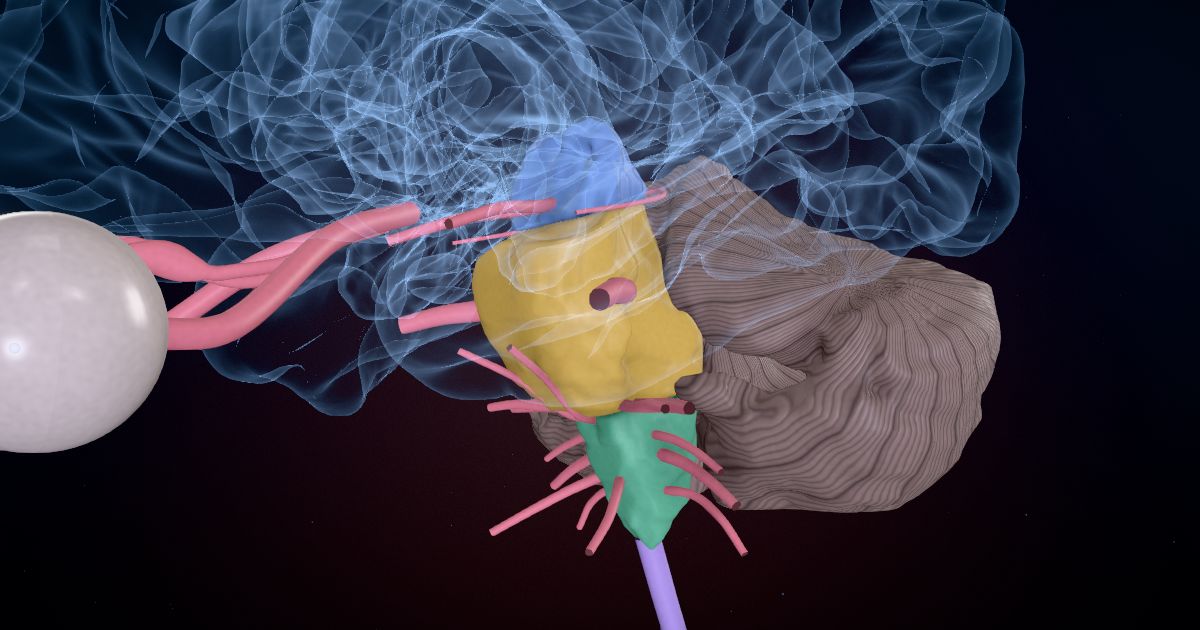
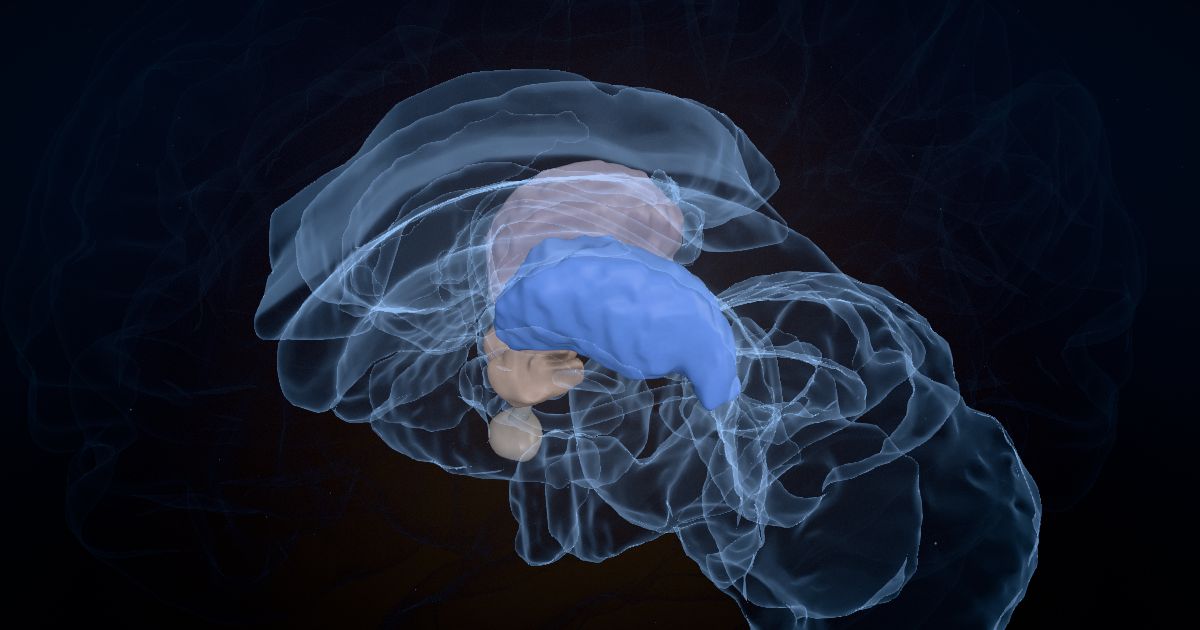
Short lessons
Each one flies you through the brain, one idea at a time, and ends with a quick check.
- 1The big pictureCerebrum, cerebellum and brainstem
- 2The hidden cortexInsula, cingulate and the inner surfaces
- 3Moving and feelingThe motor and sensory strips
- 4LanguageHearing, understanding, speaking, reading
- 5SeeingFrom the eye to the back of the brain
- 6Hearing and balanceFrom the inner ear to the cortex
- 7MemoryThe hippocampus and its circuit
- 8Emotion and rewardFear, drive and the value of things
- 9The basal gangliaChoosing which movement goes
- 10The thalamusThe brain's relay station
- 11The brainstem and cranial nervesLife support and the nerves of the head
- 12The cerebellumSmooth, balanced, well-timed movement
- 13Wiring and fluidWhite matter cables and the ventricles
Practice like a doctor
Quick quizzes that lean toward what you know least, real clinical puzzles, and one brain teaser a day.
Questions
Which exams and classes does it cover?
There are study guides for the MCAT, AP Psychology, college anatomy and physiology, nursing and medical school (neuroanatomy and USMLE Step 1). Each follows the official outline for its exam or the order of a standard textbook.
Is Inner Anatomy free?
Yes. Exploring the brain, the lessons, the quizzes and the daily puzzle are free, in your browser, with nothing to install.
Do I need an account?
No. Your progress is saved in your browser. To keep it on every device, save it with a passkey, the face, fingerprint or PIN unlock of your phone or computer. There is no email or password.
Does it work on phones?
Yes. It works on recent phones, tablets and computers in Chrome, Safari, Edge or Firefox.
Where does the 3D brain come from?
It is built from open research atlases made from real MRI scans: the FreeSurfer average brain of 40 adults and a detailed atlas of the deep nuclei. So shapes, sizes and positions match a real scan. Every source is credited in the app.
Is it medical advice?
No. Inner Anatomy is for learning how the brain works. If you have a health concern, talk to a doctor.
Built from open brain atlases made from real MRI scans. For learning only, not medical advice.